Franklin Fastener
  • Competencies
    • Metal Stamping
    • Fourslide Stamping
    • Wire Forming
    • Welding and Assembly
    • Product Finishing
  • Engineering
    • Rapid Prototyping
    • Design
    • Tooling
  • Products
    • Custom Products
    • Plain and Coated Clamps
    • Frame and J-Clips
    • Cushioned Clamps
    • Engineered Solutions
  • Industries
    • Automotive
    • Heavy Truck
    • Engines
    • Military
  • Resources
    • Testimonials
    • FAQ
    • Blog
  • About
    • Accreditations
    • Areas We Serve
    • Supplier Requirements
  • Contact
  • Menu Menu
  • Link to LinkedIn
  • Link to Facebook

Why Material Matters: Comparing Steel, Aluminum, and Coated Clamps

The clamp material you choose affects everything from the clamp’s strength and weight to its resistance to corrosion and long-term performance. That’s why understanding the differences between steel, aluminum, and coated clamps is so important during the selection process.
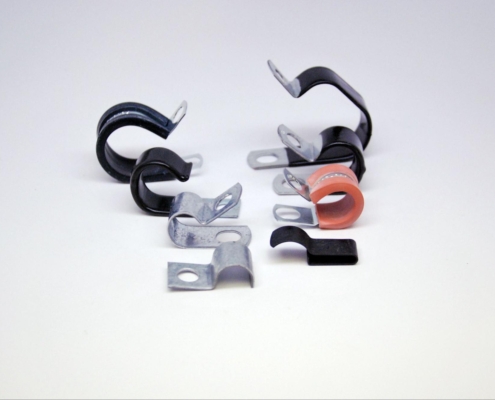
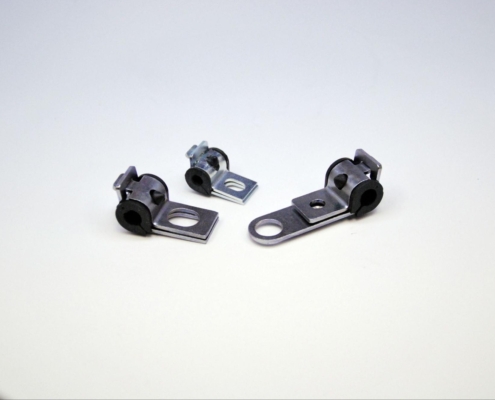
Whether you’re building for automotive, industrial, or electrical applications, the right material ensures the clamp holds up over time and doesn’t cause downstream issues. Misjudging material selection can lead to premature failure, added maintenance, or unexpected cost increases. This blog compares three commonly used clamp materials, which are steel, aluminum, and coated clamps, and explores how their strengths and limitations play out in different environments.

Why Clamp Material Selection Deserves More Attention

Clamps may be small, but their job is critical. They hold wiring, hoses, panels, and structural components in place. They endure stress, vibration, temperature changes, and exposure to moisture and chemicals. Choosing the wrong material can mean faster degradation, potential safety risks, and increased maintenance.

Clamp performance is directly influenced by the material it’s made from. When choosing between steel, aluminum, and coated clamps, your decision should be based on more than price or availability. It should also reflect where the clamp will be used, how long it needs to last, and what kinds of stresses it will endure.

Steel Clamps: Strong, Reliable, and Cost-Effective

Steel is the most common material used in clamp production. It offers excellent strength and structural integrity, which makes it ideal for high-load or high-vibration environments. Steel clamps are especially popular in automotive, industrial, and heavy equipment settings where durability matters more than weight.

Advantages of Steel Clamps

  • High Strength: Steel clamps can handle heavy-duty applications and resist deformation under load.
  • Affordable: They tend to be cost-effective, especially in large volumes.
  • Readily Available: Steel is widely used and easy to source in various grades.

Disadvantages of Steel Clamps

  • Weight: Steel is heavy, which can be a drawback in applications like electric vehicles or aerospace, where every gram counts.
  • Corrosion: Uncoated steel is vulnerable to rust and needs protective treatments to survive humid or chemical-rich environments.

Ideal Applications

Steel clamps are ideal for chassis components, engine mounts, heavy equipment, and structural applications where strength is the top priority and weight isn’t a limiting factor.

Aluminum Clamps: Lightweight, Rust-Resistant, and Easy to Handle

Aluminum offers a unique set of properties that make it appealing for certain types of assemblies. It’s lighter than steel and naturally corrosion-resistant, which makes it an attractive option for electrical enclosures, consumer products, and lightweight vehicle platforms.

Advantages of Aluminum Clamps

  • Lightweight: Perfect for applications where weight savings contribute to performance or fuel efficiency.
  • Corrosion Resistant: Aluminum doesn’t rust, making it ideal for outdoor or marine environments.
  • Good Thermal Conductivity: Helps dissipate heat in electronic or engine bay installations.

Disadvantages of Aluminum Clamps

  • Lower Strength: Aluminum doesn’t offer the same tensile strength or rigidity as steel.
  • More Expensive: Material and production costs can be higher, especially for custom parts.
  • Less Wear-Resistant: Under constant stress or vibration, aluminum may deform or wear faster than steel.

Ideal Applications

Aluminum clamps are best suited for lightweight vehicles, marine systems, electronics, or battery systems in EVs, especially when space and corrosion resistance matter more than brute strength.

Coated Clamps: Durability with Extra Protection

Coated clamps are typically steel or aluminum clamps that have been treated with a surface coating to improve resistance to corrosion, chemical damage, or abrasion. These coatings range from zinc-nickel and powder coatings to E-coating and plastic overmolding, each offering a specific set of benefits.

Advantages of Coated Clamps

  • Corrosion Protection: Coated clamps are built to survive moisture, salt spray, and chemical exposure.
  • Extended Service Life: The added layer helps prevent surface degradation over time.
  • Better Electrical Isolation: Some coatings insulate metal clamps from surrounding components or wiring.

Disadvantages of Coated Clamps

  • Cost Considerations: Depending on the coating type, coated clamps can cost more than bare steel.
  • Potential Compatibility Issues: If the coating isn’t compatible with the base material or application, it may flake, degrade, or compromise the clamp’s performance.
  • Surface Damage Risk: Scratches or damage to the coating during installation can reduce its effectiveness.

Ideal Applications

Coated clamps are a top choice in automotive exhaust systems, battery enclosures, wiring harnesses, and chemical plants, anywhere the clamp is exposed to harsh conditions and still expected to perform for years without replacement.

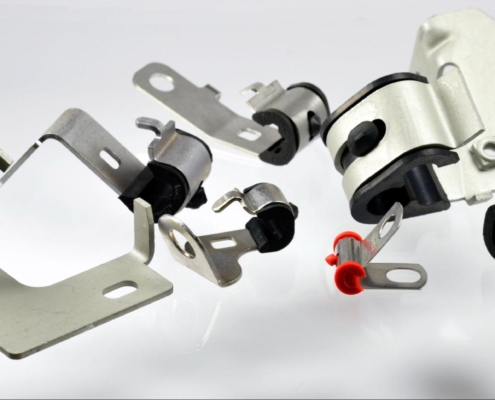
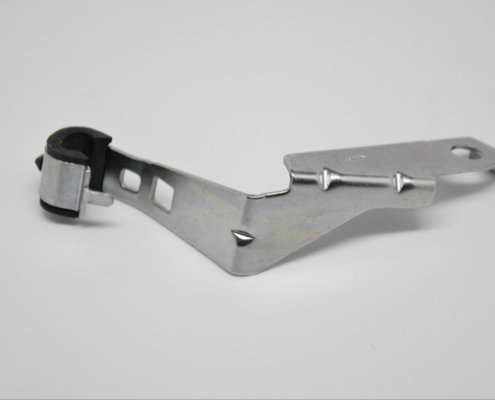
Franklin Fastener works with your engineering and procurement teams to find the best balance between strength, weight, corrosion resistance, and budget. Discover more about our clamp inventory.

Our Coated Clamp Selection

How to Decide Between Steel, Aluminum, and Coated Clamps

Choosing the right clamp material means balancing several competing factors. Here’s how to break down your decision based on application-specific needs.

Strength Requirements

  • Choose steel for high-torque, heavy-duty, or structural applications.
  • Choose aluminum when you need modest strength and reduced weight.
  • Choose coated clamps if the base material is strong enough, but you need added durability or protection.

Weight Considerations

  • If you’re designing for aerospace, EVs, or lightweight systems, aluminum often wins.
  • For general manufacturing or construction, steel remains reliable despite its heavier weight.
  • Coated clamps can strike a balance when using thinner steel with protective coatings to save weight.

Corrosion Resistance

  • Use aluminum for natural corrosion protection.
  • Use coated clamps (zinc-nickel, E-coat, etc.) when using steel in corrosive environments.
  • Avoid bare steel unless corrosion protection is unnecessary or managed separately.

Cost

  • Steel clamps are generally the most economical choice.
  • Aluminum clamps cost more upfront but may reduce lifecycle costs if corrosion is a concern.
  • Coated clamps offer long-term savings by reducing maintenance and extending service life.

Environmental Exposure

  • In wet, salty, or chemical-heavy environments, go with coated clamps or aluminum.
  • For indoor or dry environments, steel may be sufficient if cost is a factor.

The Role of Material Consultation in Fastener Selection

Procurement teams often focus on pricing and lead time, but overlooking the details of clamp material can cost more in the long run. Engineering teams should be involved early, and suppliers should be leveraged as strategic partners, not just vendors.

At Franklin Fastener, we help manufacturers make smart decisions about clamp materials. From providing corrosion test data to advising on weight savings and coating selection, our team ensures your clamps last as long as the components they’re securing.

Partner With Franklin Fastener for Long-Lasting Performance

Clamp material may be a small part of your design, but it has a big impact on quality, safety, and service life. Whether you need the strength of steel, the corrosion resistance of aluminum, or the extended durability of coated clamps, Franklin Fastener can help you make an informed choice. Our team supports you with product expertise, fast lead times, and materials designed for real-world demands. Get in touch with us today and take the guesswork out of clamp selection.

Share This Post

  • Share on Facebook
  • Share on X
  • Share on WhatsApp
  • Share on Pinterest
  • Share on LinkedIn
  • Share on Tumblr
  • Share on Vk
  • Share on Reddit
  • Share by Mail

More Like This

Clips and Clamps in Military Applications

Military Clamps and Clips: Meeting MIL‑SPEC Standards

Clamps
https://franklinfastener.com/wp-content/uploads/2025/09/image1-4.jpg 1339 1999 Abstrakt Marketing /wp-content/uploads/2022/12/fastener-logo1-01.png Abstrakt Marketing2025-09-18 08:41:252026-05-25 10:55:29Military Clamps and Clips: Meeting MIL‑SPEC Standards
Innovations in Engineered Clamp and Clip Manufacturing: What Engineers Need to Know

Innovations in Engineered Clamp and Clip Manufacturing: What Engineers Need to Know

Clamps
https://franklinfastener.com/wp-content/uploads/2025/09/image1-3.jpg 1339 1999 Abstrakt Marketing /wp-content/uploads/2022/12/fastener-logo1-01.png Abstrakt Marketing2025-09-18 08:34:262026-05-25 10:55:29Innovations in Engineered Clamp and Clip Manufacturing: What Engineers Need to Know
Corrosion‑Resistant Clips and Clamps for Heavy Truck & Off‑Road Applications

Corrosion‑Resistant Clamps and Clips for Heavy Truck & Off‑Road Applications

Clamps, Heavy Truck
https://franklinfastener.com/wp-content/uploads/2025/09/image1-2.jpg 966 1999 Abstrakt Marketing /wp-content/uploads/2022/12/fastener-logo1-01.png Abstrakt Marketing2025-09-18 08:26:442026-05-25 10:55:29Corrosion‑Resistant Clamps and Clips for Heavy Truck & Off‑Road Applications
When One Size Doesn’t Fit All – How to Know You Need a Custom Clamp

When One Size Doesn’t Fit All: How to Know When You Need Custom Clamps

Clamps, Custom Products
https://franklinfastener.com/wp-content/uploads/2025/09/image1-1.jpg 1339 1999 Abstrakt Marketing /wp-content/uploads/2022/12/fastener-logo1-01.png Abstrakt Marketing2025-09-18 08:21:502026-05-25 10:55:29When One Size Doesn’t Fit All: How to Know When You Need Custom Clamps

Clamp and Clip Failures: What Fastener Procurement Teams Overlook During Sourcing

Clamps, Fastening
https://franklinfastener.com/wp-content/uploads/2025/08/applications007-2.jpg 1250 2000 Abstrakt Marketing /wp-content/uploads/2022/12/fastener-logo1-01.png Abstrakt Marketing2025-08-12 11:23:312026-05-25 10:55:30Clamp and Clip Failures: What Fastener Procurement Teams Overlook During Sourcing
Previous Previous Previous Next Next Next

Categories

  • Clamps
  • Competencies
  • Custom Products
  • Engineering
  • Fastening
  • Heavy Truck
  • Metal Stamping
  • Products
  • Uncategorized
  • Welding and Assembly
  • Wire Forming

Contact Us

"*" indicates required fields

This field is for validation purposes and should be left unchanged.

About Us

Franklin Fastener is an industry-leading provider of engineered metal products. From concept to completion, our experts provide our clients with the highest service levels.

What We Do

Competencies

Engineering

Products

Industries

Documentation

Terms of Sale

Terms of Purchase

Catalog

Supplier Requirements

Contact Us

12701 Beech Daly, Redford Charter Twp, MI 48239

313-537-8900

websales@franklinfastener.com

Accreditations

Website by Abstrakt Marketing Group © 2023
  • Sitemap
  • Privacy Policy
Link to: Clamp and Clip Failures: What Fastener Procurement Teams Overlook During Sourcing Link to: Clamp and Clip Failures: What Fastener Procurement Teams Overlook During Sourcing Clamp and Clip Failures: What Fastener Procurement Teams Overlook During S... Link to: When One Size Doesn’t Fit All: How to Know When You Need Custom Clamps Link to: When One Size Doesn’t Fit All: How to Know When You Need Custom Clamps When One Size Doesn’t Fit All – How to Know You Need a Custom ClampWhen One Size Doesn’t Fit All: How to Know When You Need Custom Clamps
Scroll to top Scroll to top Scroll to top

This site uses cookies. By continuing to browse the site, you are agreeing to our use of cookies.

AcceptLearn more

Cookie and Privacy Settings


How we use cookies

We may request cookies to be set on your device. We use cookies to let us know when you visit our websites, how you interact with us, to enrich your user experience, and to customize your relationship with our website.

Click on the different category headings to find out more. You can also change some of your preferences. Note that blocking some types of cookies may impact your experience on our websites and the services we are able to offer.

Essential Website Cookies

These cookies are strictly necessary to provide you with services available through our website and to use some of its features.

Because these cookies are strictly necessary to deliver the website, refusing them will have impact how our site functions. You always can block or delete cookies by changing your browser settings and force blocking all cookies on this website. But this will always prompt you to accept/refuse cookies when revisiting our site.

We fully respect if you want to refuse cookies but to avoid asking you again and again kindly allow us to store a cookie for that. You are free to opt out any time or opt in for other cookies to get a better experience. If you refuse cookies we will remove all set cookies in our domain.

We provide you with a list of stored cookies on your computer in our domain so you can check what we stored. Due to security reasons we are not able to show or modify cookies from other domains. You can check these in your browser security settings.

Other external services

We also use different external services like Google Webfonts, Google Maps, and external Video providers. Since these providers may collect personal data like your IP address we allow you to block them here. Please be aware that this might heavily reduce the functionality and appearance of our site. Changes will take effect once you reload the page.

Google Webfont Settings:

Google Map Settings:

Google reCaptcha Settings:

Vimeo and Youtube video embeds:

Accept settingsHide notification only